
"coffee and writers"
146000 article(s) found

Coffee Culture Cafe is closely related to French Literature
If you live in Paris for a while, you will find that the French like cafes. There are many cafes in Paris that are famous for their literature and art. Some critics even say that it is the cafe that has created the history of modern French literature. This may be an exaggeration, but the inextricable bond between cafes and French literature over the centuries is obvious to all. Alexis, who won the Gongol Prize, the highest prize in French literature this year.

The relationship between Coffee and Literature Cafe is closely related to French literature
If you live in Paris for a while, you will find that the French like cafes. There are many cafes in Paris that are famous for their literature and art. Some critics even say that it is the cafe that has created the history of modern French literature. This may be an exaggeration, but the inextricable bond between cafes and French literature over the centuries is obvious to all. Alexis, who won the Gongol Prize, the highest prize in French literature this year.

Cafes in Paris
As the art center of the world, Paris achieved unprecedented prosperity before World War II. Such as Picasso, Stein, Hemingway, Joyce and so on have lived in Paris for many years, and some even died in Paris. Even after the war, Paris was a dream place for writers and artists from all over the world, such as the famous Latin American writers M á rquez, Neruda and so on. The demon of Latin America is the real master.
World Art Center-Paris Cafe
As the art center of the world, Paris achieved unprecedented prosperity before World War II. Such as Picasso, Stein, Hemingway, Joyce and so on have lived in Paris for many years, and some even died in Paris. Even after the war, Paris was a dream place for writers and artists from all over the world, such as the famous Latin American writers M á rquez, Neruda and so on.
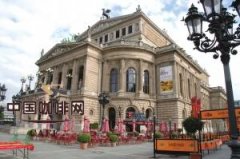
Coffee Cafe in Paris with Coffee Culture
As the art center of the world, Paris achieved unprecedented prosperity before World War II. Such as Picasso, Stein, Hemingway, Joyce and so on have lived in Paris for many years, and some even died in Paris. Even after the war, Paris was a dream place for writers and artists from all over the world, such as the famous Latin American writers M á rquez, Neruda and so on. The demon of Latin America is the real master.

Café Life Cafes in Paris with a human touch
Paris, as the world's art center, reached unprecedented prosperity before World War II. Like Picasso, Stein, Hemingway, Joyce and so on have lived in Paris for many years, some even died in Paris. Even after the war, Paris was a dream place for writers and artists from all over the world, such as famous Latin American writers Marquez and Neruda. Latin American magic reality master

The most humane part of the cafe in Paris
As the art center of the world, Paris achieved unprecedented prosperity before World War II. Such as Picasso, Stein, Hemingway, Joyce and so on have lived in Paris for many years, and some even died in Paris. Even after the war, Paris was a dream place for writers and artists from all over the world, such as the famous Latin American writers M á rquez, Neruda and so on. The demon of Latin America is the real master.

Boutique Coffee Cafe in Paris with common sense and human feelings
As the art center of the world, Paris achieved unprecedented prosperity before World War II. Such as Picasso, Stein, Hemingway, Joyce and so on have lived in Paris for many years, and some even died in Paris. Even after the war, Paris was a dream place for writers and artists from all over the world, such as the famous Latin American writers M á rquez, Neruda and so on. The demon of Latin America is the real master.

The Cafe in Paris Paris as the Center of the World Arts
As the art center of the world, Paris achieved unprecedented prosperity before World War II. Such as Picasso, Stein, Hemingway, Joyce and so on have lived in Paris for many years, and some even died in Paris. Even after the war, Paris was a dream place for writers and artists from all over the world, such as the famous Latin American writers M á rquez, Neruda and so on. The demon of Latin America is the real master.

Taiwanese writers who like to write in cafes
Luo Yijun said: in fact, almost all writers in Taiwan write in cafes, and they have no intention of deifying the matter. "it was really because the house was too crowded, so I had to write it in a cafe."

Paris is the cafe of Paris as the art center of the world.
7 the cafe in Paris, as the art center of the world, reached unprecedented prosperity before World War II. Such as Picasso, Stein, Hemingway, Joyce and so on have lived in Paris for many years, and some even died in Paris. Even after the war, Paris was a dream place for writers and artists from all over the world, such as the famous Latin American writers M á rquez, Neruda and so on.
Coffee for three hundred years
Europeans drink coffee, but they know when the habit began, only in Austria. Legend has it that when the Turkish army who invaded Austria was defeated and retreated, it dropped two bags of coffee and the Viennese tasted it. It tasted good, so coffee became popular in Austria. It is said that this happened in 1687.
Three hundred years of Coffee
Europeans drink coffee, but they know when the habit began, only in Austria. Legend has it that when the Turkish army who invaded Austria was defeated and retreated, it dropped two bags of coffee and the Viennese tasted it. It tasted good, so coffee became popular in Austria. It is said that this happened in 1687.

Taipei's eternal literary landmark "Star Cafe"
The "Star Cafe", located near Taipei Station and on Wuchang Street in Taipei, has the same background as the "Taipei people" written by the famous writer Bai Xianyong.
Lu Xun and the Coffee Cafe
Although he did not enjoy the store's signature drink, the public coffee cafe is still famous for Lu Xun's many trips. Gongfen was located near the tram terminal on North Sichuan Road in Shanghai at that time, opposite the Neishan Bookstore. It must not have been the earliest coffee shop in Shanghai, nor was it the best coffee shop in Shanghai at that time. But because the Chinese left-wing Writers' Union became the era that later generations said.
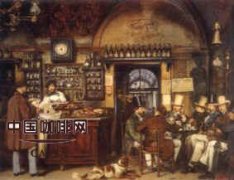
The embodiment of Coffee Culture Coffee in the Life form of the Upper Society
The cafe brought the closed salon life of the upper class to the streets. in many cities, it was the earliest public social place where citizens could meet freely. People read newspapers, debate, play cards and play billiards here. Famous cafe writers claim that their lifelong careers are coffee shop regulars first, and writers second. They go to cafes not for coffee, but for them.

The embodiment of Coffee in the Life form of the Upper Society
The cafe brought the closed salon life of the upper class to the streets. in many cities, it was the earliest public social place where citizens could meet freely. People read newspapers, debate, play cards and play billiards here. Famous cafe writers claim that their lifelong careers are coffee shop regulars first, and writers second. They go to cafes not for coffee, but for them.
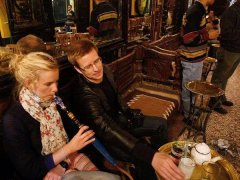
The eight favorite cafes of literati taste the aroma of bookish coffee.
It is said that the brilliant ideas of many Nobel laureates benefit from that strong cup of coffee. So where are the cafes that scholars and calligraphers like to patronize? Now follow National Geographic to uncover the secret. Fesavi Cafe (El Fishawy Coffee Shop)
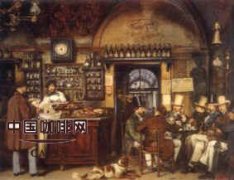
The embodiment of Coffee History and Culture in the Life form of the Upper Society
The cafe brought the closed salon life of the upper class to the streets. in many cities, it was the earliest public social place where citizens could meet freely. People read newspapers, debate, play cards and play billiards here. Famous cafe writers claim that their lifelong careers are coffee shop regulars first, and writers second. They go to cafes not for coffee, but for them.

Long Coffee fragrance Coffee Culture of Austria
Europeans drink coffee, but they know when the habit began, only in Austria. Legend has it that when the Turkish army who invaded Austria was defeated and retreated, it dropped two bags of coffee and the Viennese tasted it. It tasted good, so coffee became popular in Austria. It is said that this happened in 1687. Over the past three hundred years, Austrians have not only had three meals a day, but also had a cup of coffee after meals.